Amazon Is Nervous. Here’s Why That Should Make Marketers Smile
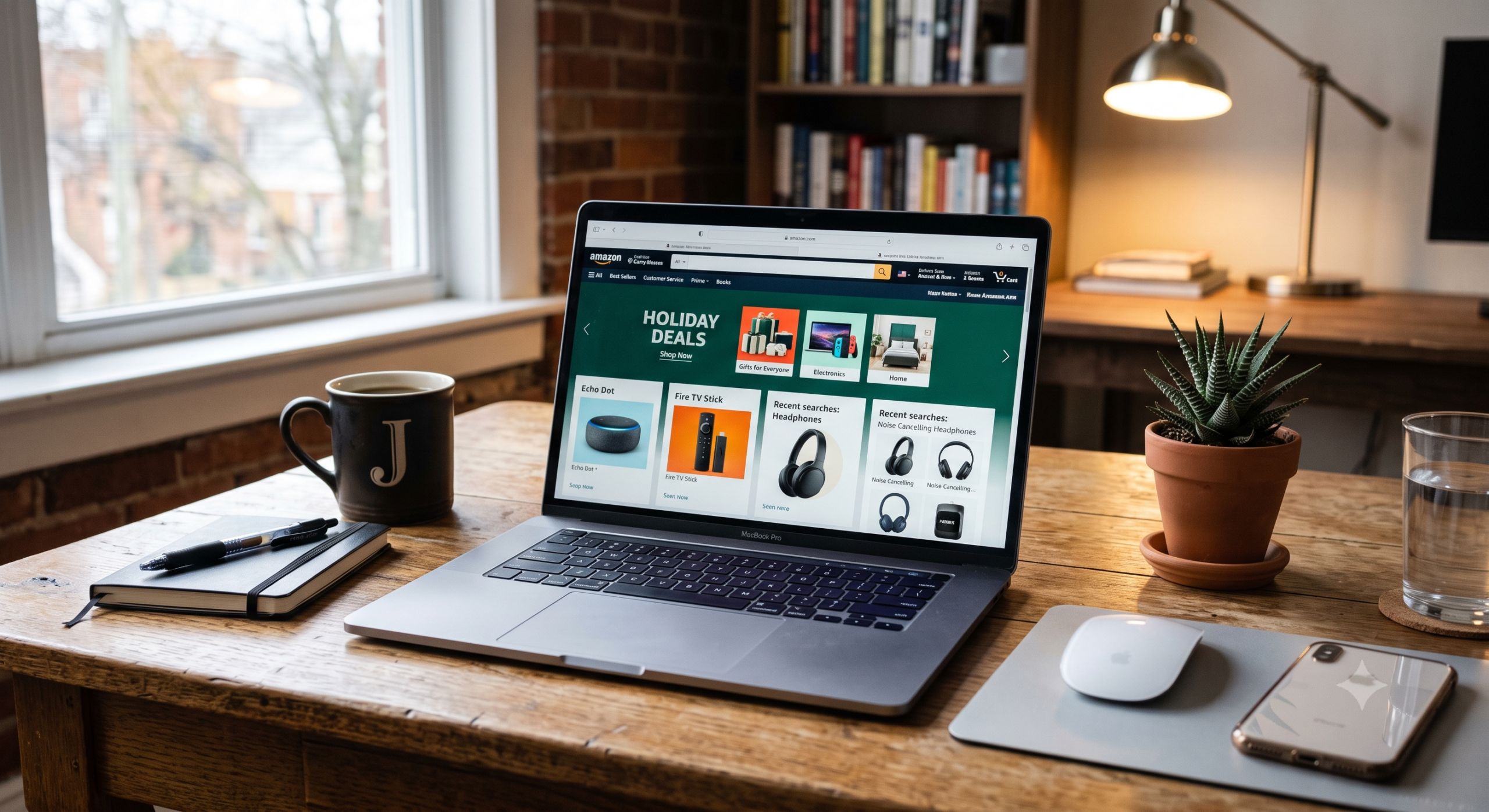
For years, Amazon looked invincible.
It was the Death Star of online retail. The giant. The gatekeeper. The company that somehow convinced millions of people they urgently needed a 200-pack of zip ties delivered by tomorrow morning.
If you wanted to sell online, Amazon was where the customers were. You might not have liked the fees, the rules, the competition, or the occasional feeling that you were building your business on someone else’s property, but you played the game because that’s where the traffic lived. Then something strange happened.
The internet stopped asking Amazon what to buy.
Recently, a coalition of 400 Amazon sellers representing more than $2 billion in annual sales staged a coordinated ad boycott. They turned off their advertising campaigns at the same time to protest a series of fee increases and policy changes. Most people expected Amazon to respond the way giant corporations usually do, with a carefully worded statement that translates roughly to, “We appreciate your feedback and will now ignore it.” Instead, Amazon backed down within 48 hours.
That’s unusual.
When a company the size of Amazon changes course that quickly, it’s usually because someone found a nerve and pressed on it. And right now, Amazon has a lot of exposed nerves.
The Real Problem Isn’t Amazon
The real story isn’t what’s happening to Amazon. The real story is what’s happening to discovery.
For nearly two decades, the buying process was beautifully simple. Need something? Go to Amazon. Search. Buy. Done. Amazon wasn’t just a store. It was the starting line. That was its moat.
Today, that moat is springing leaks faster than a dollar-store inflatable kayak.
Younger consumers increasingly discover products through YouTube, TikTok, Instagram, Reddit, AI tools, newsletters, podcasts, and creators they trust. Many shoppers now know exactly what they want before they ever visit Amazon. Think about your own behavior. When was the last time you bought something because Amazon inspired you? Most of us discover products because some YouTuber swore it changed their life, a friend mentioned it, Reddit argued about it for 500 comments, or ChatGPT suggested it while we were procrastinating on something else.
Amazon increasingly handles the transaction. Someone else handles the influence.
That’s a huge distinction.
Content Is Eating Commerce
For years, marketers were told that traffic was king. Not anymore. Today, attention is king, queen, emperor, and occasionally the court jester.
When someone wants a standing desk, they don’t simply type “standing desk” into Amazon and buy the first result. First they watch YouTube reviews. Then they read Reddit threads. Then they ask AI which models are worth considering. Then they watch one more review because apparently buying office furniture now requires the same level of research as adopting a child.
By the time they land on a product page, the decision is often 80% made.
That’s the opportunity.
The businesses winning right now aren’t necessarily the ones with the biggest stores. They’re the ones showing up before the buying decision happens. They are creating content, answering questions, building trust, and becoming part of the conversation long before a customer ever reaches a checkout page.
What Smart Marketers Should Do Right Now
- Stop Building Your Castle On Borrowed Land
One of the biggest lessons from this entire Amazon drama is that dependence is expensive. Amazon sellers are discovering that when someone else controls your traffic, your visibility, your customers, and your revenue, you’re basically a tenant pretending to be a homeowner.
Online marketers make the same mistake all the time. Some businesses live entirely on Facebook. Others bet everything on Google. Some build their entire future on TikTok, which is a bit like building a beach house while checking the hurricane forecast once a year.
Instead, build assets you actually own such as email lists, customer databases, communities, websites, and direct relationships. Algorithms can change overnight. An email list doesn’t wake up one morning and decide it now hates you because an engineer in California tweaked a ranking formula.
- Become The Discovery Engine
Here’s the shift that changes everything: People rarely wake up thinking, “I want to buy a CRM today.” They wake up thinking, “Why is my business such a chaotic mess?”
The marketer who answers that question first often gets the sale later.
Instead of obsessing over promotion, become useful. Teach. Demonstrate. Explain. Entertain. Help people solve problems before they even realize you’re selling something. The businesses winning in 2026 aren’t interrupting attention. They’re earning it.
- Show Up Where Decisions Are Made
Most marketers focus on where the sale happens. The smarter marketers focus on where the decision happens, and those are increasingly two different places.
The decision happens on YouTube, Reddit, Facebook groups, newsletters, podcasts, industry communities, and AI conversations. The sale might happen on your website, Amazon, Shopify, or somewhere else entirely. By the time someone reaches a checkout page, you’re often just collecting a decision that was already made three days earlier.
- Become Ridiculously Easy for AI To Find
Every day, millions of people ask AI systems for recommendations. What’s the best project management software? What’s the best email platform? What’s the best productivity tool? An answer comes back every time.
The brands that appear in those answers gain visibility. The brands that don’t may slowly become invisible.
Want to increase your chances of showing up? Publish useful content. Collect reviews. Get mentioned on other websites. Appear on podcasts. Build authority. Become the obvious answer to a specific question. In the old days, marketers fought for Google’s first page. Now they’re fighting to become part of the answer itself.
- Diversify Before You Need To
The sellers who are sleeping best right now aren’t relying on one platform. They’re everywhere their customers are: Amazon, Shopify, YouTube, TikTok, email, affiliates, partnerships, organic search, and AI search. When one traffic source sneezes, their entire business doesn’t catch pneumonia.
Too many marketers wait until disaster strikes before building alternative channels. That’s like buying a fire extinguisher while your kitchen is actively on fire.
A little late.
The Opportunity Nobody Is Talking About
The most exciting part of this story isn’t that Amazon is struggling with discovery. It’s that discovery is becoming available to everyone.
For years, giant platforms controlled attention. Today, attention is fragmented across creators, communities, newsletters, podcasts, videos, AI tools, and personal brands. That’s wonderful news if you’re willing to create content. You don’t need Amazon’s budget, Google’s engineers, or Meta’s ad inventory. You simply need to consistently show up with something useful, interesting, entertaining, or helpful.
The old internet rewarded whoever owned the platform.
The new internet rewards whoever owns the relationship.
Amazon isn’t going away. It still moves an absurd amount of money every year and will remain a major force in e-commerce for a long time. But for the first time in years, the giant looks a little uncomfortable. And whenever a giant starts looking uncomfortable, smaller, smarter, faster businesses should start paying very close attention.